
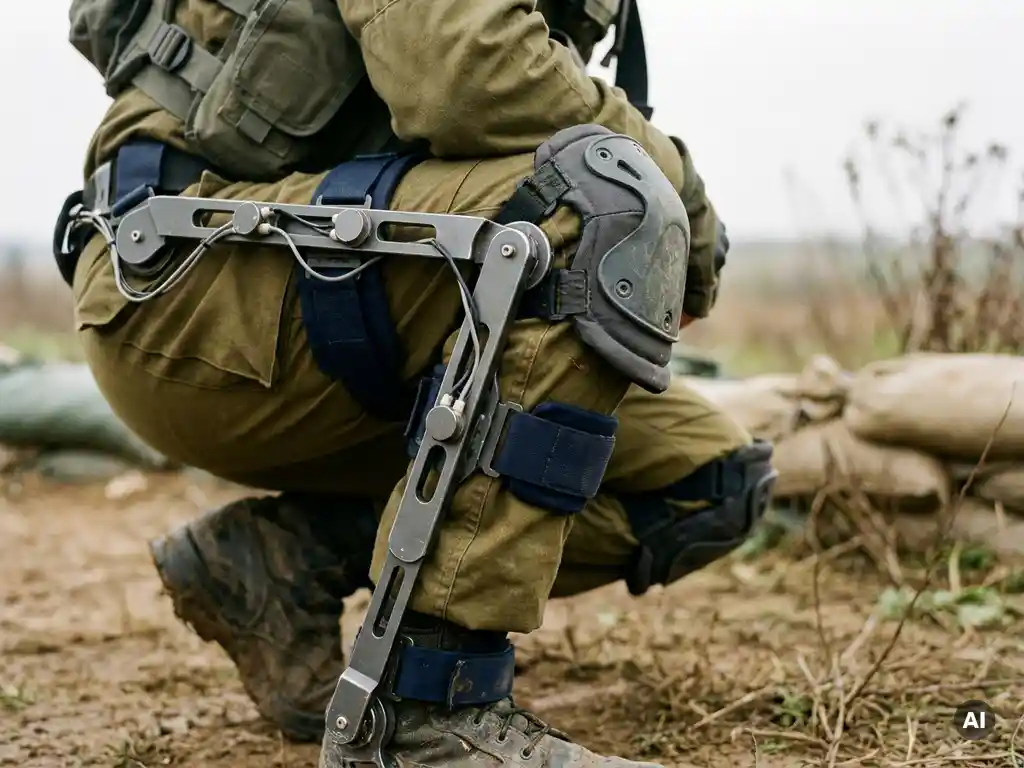
Defense procurement teams should look for body-worn sensing systems that meet rigorous environmental durability standards, integrate cleanly with existing military data infrastructure, and place minimal cognitive or physical burden on the soldier. The right system collects actionable physiological and positional data without creating new vulnerabilities or maintenance challenges in the field. The questions below break down each dimension of that evaluation in practical terms.
What performance standards should body-worn sensors meet in the field?
Body-worn sensors for military use must meet military-grade environmental standards, including resistance to dust, water, shock, and extreme temperatures. At minimum, procurement teams should require compliance with MIL-STD-810 for environmental conditions and IP67 or higher ingress protection ratings. Battery life should support a full operational cycle without recharging, typically 24 hours or more under continuous use.
Beyond the hardware specifications, performance standards should also address data accuracy under physical stress. Sensors that perform well in a lab setting may produce unreliable readings during high-intensity movement, load-bearing marches, or extreme heat. Procurement teams should request field validation data, not just laboratory certification, and evaluate whether the system maintains accuracy when the soldier is sweating, running, or carrying heavy equipment.
Latency is another often overlooked standard. If the sensing system is feeding data to a command dashboard or triggering alerts, the delay between measurement and output must be short enough to be operationally meaningful. For physiological monitoring, a lag of several seconds may be acceptable. For positional or threat-response applications, real-time performance is non-negotiable.
How do body-worn sensing systems integrate with existing military infrastructure?
Body-worn sensing systems integrate with military infrastructure through standardized communication protocols, secure data transmission layers, and compatibility with existing command and control software. Systems that rely on proprietary formats or closed architectures create long-term dependency on a single vendor and complicate interoperability across units or allied forces.
Procurement teams should confirm that the sensing system supports open or widely adopted communication standards such as Bluetooth Low Energy, ANT+, or military-specific mesh radio protocols. Data outputs should be exportable in formats that feed into existing situational awareness platforms without requiring custom middleware development.
Cybersecurity integration is equally important. Any body-worn device that transmits data wirelessly introduces a potential attack surface. The system should support end-to-end encryption, authentication controls, and ideally operate in a mode that limits transmission when radio silence is required. Ask vendors specifically how the system behaves in contested electromagnetic environments.
What data does a body-worn sensing system actually collect?
A body-worn sensing system typically collects physiological data such as heart rate, core body temperature, respiration rate, and hydration indicators, alongside positional data including GPS location, movement patterns, and orientation. More advanced systems also capture biomechanical data such as joint load, stride characteristics, and posture metrics relevant to injury prevention and fatigue assessment.
The specific data collected depends heavily on the sensor suite embedded in the system. Some platforms focus narrowly on vital signs for medical triage purposes. Others are designed for performance monitoring, tracking how a soldier’s physical condition changes over the course of a mission. A third category focuses on movement and load data, which is particularly relevant when evaluating how equipment such as exoskeletons or load-bearing systems affect the body over time.
Procurement teams should map the data outputs of any candidate system against the actual operational questions the unit needs to answer. Collecting more data than can be acted upon adds weight, complexity, and battery drain without operational benefit. The question is not what a system can measure, but what information will actually change decisions in the field.
How should procurement teams evaluate vendor reliability and support?
Vendor reliability for defense wearables should be evaluated on three dimensions: track record in comparable deployments, depth of technical support infrastructure, and commitment to long-term product maintenance. A vendor with strong consumer electronics credentials but no experience in defense or medical applications may underestimate the operational demands of the environment.
Assessing deployment experience
Ask vendors for documented examples of systems deployed in comparable conditions, whether that is military, emergency services, or industrial settings with similar environmental and operational demands. Look for evidence of iterative improvement based on field feedback rather than a single product launch with no subsequent development history.
Evaluating support infrastructure
Support infrastructure matters as much as the hardware itself. Procurement teams should clarify response times for technical faults, availability of spare components, and whether the vendor offers on-site training or only remote support. For defense technology deployments, the ability to service and repair equipment in theater or through a reliable logistics chain is a practical requirement, not a nice-to-have.
What are the human factors risks of deploying body-worn sensors on soldiers?
The primary human factors risks of deploying body-worn sensors on soldiers are increased physical burden, distraction from additional interfaces, skin irritation from prolonged wear, and behavioral changes driven by awareness of being monitored. Each of these risks can reduce operational effectiveness if not addressed in the design and deployment phase.
Weight and bulk remain the most immediate concern. Every gram added to a soldier’s load has a cost in fatigue, mobility, and mission duration. Sensing systems that require separate battery packs, dedicated display units, or bulky harnesses may offer strong data quality but impose an unacceptable physical trade-off. The ideal system is integrated into existing equipment or worn in a way that does not alter the soldier’s movement profile.
The monitoring effect is a subtler but real risk. Soldiers aware that their physiological data is being transmitted to command may alter their behavior, either by pushing through warning signs to avoid appearing unfit or by becoming distracted by their own data if they have access to it. Procurement teams should establish clear data governance policies before deployment, including who can access the data, under what circumstances, and how it will be used in personnel decisions.
When is a body-worn sensing system ready for operational deployment?
A body-worn sensing system is ready for operational deployment when it has completed field validation in representative conditions, passed applicable certification requirements, demonstrated reliable integration with the unit’s existing infrastructure, and when the personnel who will use and interpret it have received adequate training. Certification alone is not sufficient without field evidence.
A structured evaluation process should include a limited pilot with a representative group of end users before full procurement. This pilot should test not only the hardware but the full data workflow, from sensor to analyst, under realistic time pressure and environmental conditions. Feedback from soldiers who wore the system during the pilot should carry significant weight in the final procurement decision.
Readiness also has a logistical dimension. The supply chain for replacement components, firmware update processes, and maintenance protocols should all be confirmed before scaling deployment. A system that works well in a pilot but cannot be sustained at scale creates operational risk rather than reducing it. Defense technology investments of this kind require a long view on total life cycle cost, not just unit acquisition price.
How InteSpring supports defense wearable procurement
We at InteSpring bring deep engineering expertise to exactly the challenges described above. Our work in defense wearables, including the development of the Centaur leg exoskeleton for the Dutch Ministry of Defense, means we understand what it takes to build body-worn systems that perform under genuine operational conditions, not just controlled test environments. When procurement teams engage us, we offer:
- Feasibility and technical assessment: We evaluate whether a proposed sensing or wearable system is technically and economically viable for the intended application, drawing on our four-phase consultancy methodology.
- Integration engineering: We design systems that work within existing military infrastructure rather than requiring wholesale platform changes.
- Human factors expertise: Our background in human movement studies and biomechanical engineering means we actively design to reduce physical burden and minimize risk to the wearer.
- Prototyping and field validation support: With in-house prototyping capabilities and strong supplier networks, we can move from concept to a testable demonstrator quickly, giving procurement teams real field data before committing to full deployment.
- Microhydraulics and mechatronics: For systems requiring active force assistance alongside sensing, we offer specialized microhydraulic technology developed specifically for the wearable and exoskeleton market.
Whether you are early in scoping a defense wearable program or evaluating vendors for a specific sensing requirement, we are ready to help you make a well-informed, technically grounded decision. Get in touch with our team to discuss your procurement challenge and find out how we can support your program from feasibility through to operational deployment.