
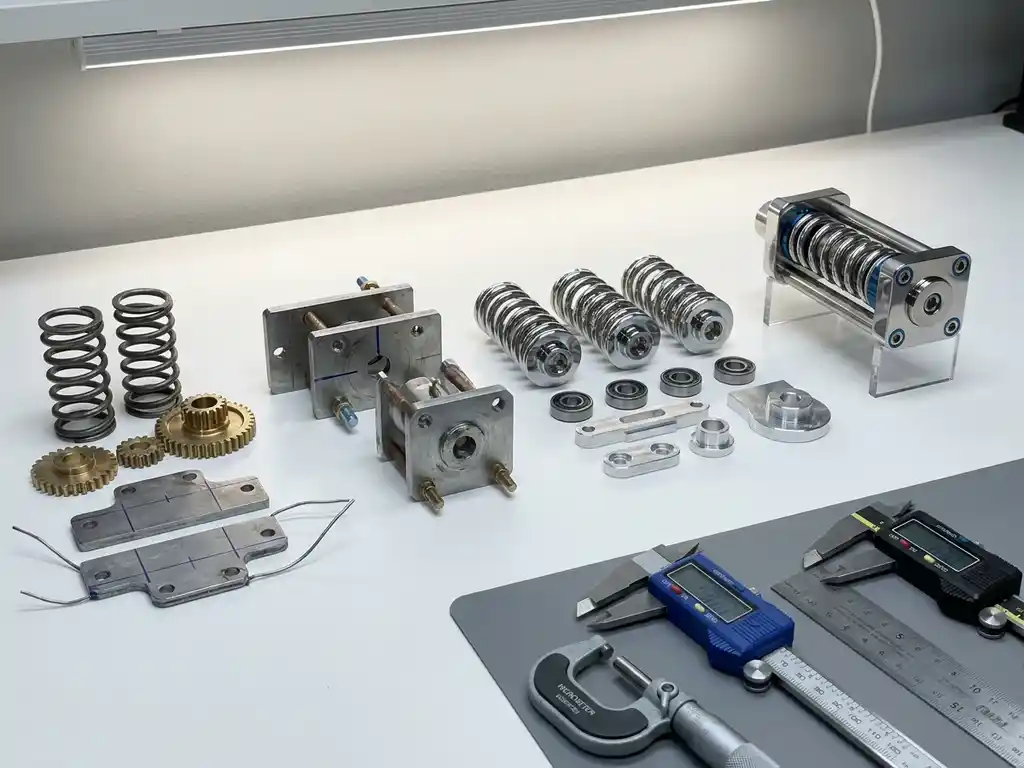
Moving from TRL 4 to TRL 7 involves transitioning your technology from laboratory validation to system demonstration in operational environments. This progression requires systematic testing, validation in relevant conditions, and integration of components into functional prototypes that prove real-world viability. The process typically spans 2-4 years and demands significant resources, expertise, and strategic planning to navigate successfully.
Inadequate validation protocols are sabotaging your technology’s market readiness
Many engineering teams rush through TRL 5-6 validation without establishing rigorous testing protocols, leading to costly failures when technologies reach operational environments. This shortcut approach results in products that work in controlled settings but fail under real-world conditions, forcing expensive redesigns and delayed market entry. Establish comprehensive validation frameworks early that simulate actual operating conditions, stress factors, and user interactions to identify weaknesses before they become market-threatening problems.
Resource underestimation is extending your development timeline by years
Teams consistently underestimate the expertise, funding, and time required for TRL 4-7 progression, creating development bottlenecks that can extend timelines by 50-100%. This miscalculation stems from treating each TRL level as a simple checkbox rather than recognizing the exponential increase in complexity at each stage. Plan for specialized expertise in systems integration, environmental testing, and regulatory compliance from the start, and allocate 30-40% more resources than initial estimates to account for unforeseen challenges and iterative improvements.
What does TRL 4 to TRL 7 progression actually mean?
TRL 4 to TRL 7 progression represents the critical transition from laboratory validation to operational demonstration. TRL 4 proves component functionality in lab environments, TRL 5-6 validate technology in relevant and operational environments, while TRL 7 demonstrates the complete system prototype in actual operating conditions.
At TRL 4, you have validated individual components or basic technology elements in controlled laboratory settings. Your focus centers on proving that core technical concepts work as intended. TRL 5 advances this by validating technology components in environments that simulate real-world conditions, introducing variables like temperature fluctuations, vibrations, or user interactions that laboratory settings cannot replicate.
TRL 6 marks a significant milestone where you demonstrate technology functionality in operational environments with actual end-users or realistic operational scenarios. This level proves your technology can handle real-world complexities and user behaviors. TRL 7 represents the final validation stage before commercialization, where you demonstrate a complete system prototype in its intended operational environment, proving market readiness and technical maturity.
What are the biggest challenges when moving from TRL 4 to TRL 7?
The biggest challenges include systems integration complexity, environmental validation requirements, and resource scaling demands. Each TRL level introduces exponentially more variables, testing requirements, and technical dependencies that must be managed simultaneously while maintaining performance standards.
Systems integration becomes increasingly complex as individual components must work together reliably under varying conditions. Components that function perfectly in isolation often create unexpected interactions, interference, or performance degradation when integrated. This challenge requires extensive testing protocols and often necessitates component redesigns to achieve stable system performance.
Environmental validation presents another major hurdle, as technologies must prove functionality across diverse operating conditions. Temperature extremes, humidity variations, electromagnetic interference, and mechanical stresses can reveal weaknesses not apparent in controlled laboratory settings. These environmental factors often require specialized testing equipment and facilities that significantly increase development costs and timelines.
Resource scaling demands grow substantially as development progresses. TRL 4-7 progression typically requires 5-10 times more funding than earlier stages, along with expanded teams that include specialists in systems engineering, testing protocols, regulatory compliance, and user experience design.
How do you validate technology in relevant environments during TRL 5-6?
Validation in relevant environments requires creating test conditions that simulate real-world operating parameters without full operational deployment. This involves controlled exposure to environmental factors, user interactions, and system stresses that mirror actual use cases while maintaining measurement and control capabilities.
Establish testing protocols that systematically introduce real-world variables. For mechanical systems, this might include temperature cycling, vibration testing, and load variations that match expected operating conditions. For software-dependent technologies, validation includes testing with realistic data sets, user interaction patterns, and integration with existing systems that end-users currently employ.
Create partnerships with potential end-users who can provide access to relevant environments for testing. These collaborations allow you to validate technology performance in authentic settings while gathering user feedback that informs design improvements. Document all testing procedures, results, and modifications to establish a clear validation trail that supports regulatory approval and investor confidence.
What resources and expertise do you need for TRL 4-7 development?
TRL 4-7 development requires multidisciplinary expertise including systems engineers, validation specialists, regulatory affairs professionals, and user experience designers. Financial resources typically range from hundreds of thousands to several million euros, depending on technology complexity and market requirements.
Technical expertise must expand beyond core technology development to include systems integration specialists who can manage component interactions and performance optimization. Validation specialists become critical for designing and executing comprehensive testing protocols that prove technology readiness across diverse operating conditions.
Regulatory affairs expertise becomes essential as technologies approach market readiness. Different industries have specific compliance requirements, safety standards, and certification processes that must be navigated successfully. User experience professionals help ensure that technology functionality translates into practical, usable solutions that meet end-user needs and expectations.
Infrastructure requirements include specialized testing facilities, prototyping capabilities, and quality management systems. Many organizations find it cost-effective to partner with specialized testing facilities rather than building comprehensive in-house capabilities for this development phase.
How long does it typically take to progress from TRL 4 to TRL 7?
TRL 4 to TRL 7 progression typically takes 2-4 years, with timeline variations depending on technology complexity, regulatory requirements, and resource availability. Simple technologies may advance in 18-24 months, while complex systems requiring extensive validation can take 5-7 years.
The TRL 4 to 5 transition usually requires 6-12 months of focused effort to establish relevant environment testing and validate component performance under realistic conditions. This phase involves significant protocol development and often reveals design modifications needed for real-world functionality.
TRL 5 to 6 progression typically spans 12-18 months as teams work to demonstrate technology in operational environments with actual users. This stage often includes multiple iteration cycles as user feedback and operational experience drive design refinements.
TRL 6 to 7 advancement usually takes 8-15 months to complete full system demonstration and documentation. This final phase includes comprehensive testing, performance validation, and preparation of technical documentation needed for commercialization or technology transfer.
How do you know when your technology is ready to advance to the next TRL?
Technology readiness for TRL advancement is demonstrated through successful completion of specific validation criteria, documented performance metrics, and stakeholder acceptance. Each TRL level has defined requirements that must be objectively measured and verified before progression.
Establish clear, measurable criteria for each TRL level before beginning development activities. These criteria should include performance benchmarks, environmental tolerance ranges, reliability metrics, and user acceptance thresholds. Document all testing procedures and results to create an objective assessment framework.
Conduct independent reviews with external experts who can provide objective evaluation of technology readiness. These reviews should assess both technical performance and market readiness factors. Stakeholder feedback from potential end-users, industry partners, and regulatory bodies provides critical validation that technology meets real-world requirements.
Monitor key performance indicators consistently throughout development to track progress toward advancement criteria. Regular assessment prevents surprises and allows for course corrections before significant resources are invested in premature advancement attempts.
How InteSpring helps with TRL 4-7 technology development
We provide comprehensive engineering consultancy services that guide technologies through the critical TRL 4-7 progression using our proven four-phase development approach. Our expertise in systems integration, validation protocols, and operational environment testing helps organizations navigate this complex transition efficiently and successfully.
Our specialized services for TRL 4-7 development include:
- Systems integration expertise that manages component interactions and performance optimization
- Comprehensive validation protocols designed for relevant and operational environment testing
- Prototype development capabilities with in-house manufacturing and testing facilities
- Regulatory compliance guidance for medical, defense, and industrial applications
- Supply chain development support for sustainable production scaling
Our modular consultancy approach covers feasibility assessment, demonstrator development, detailed design studies, and product development phases that align perfectly with TRL advancement requirements. Contact our team to discuss how we can accelerate your technology’s progression from laboratory validation to market-ready demonstration.