
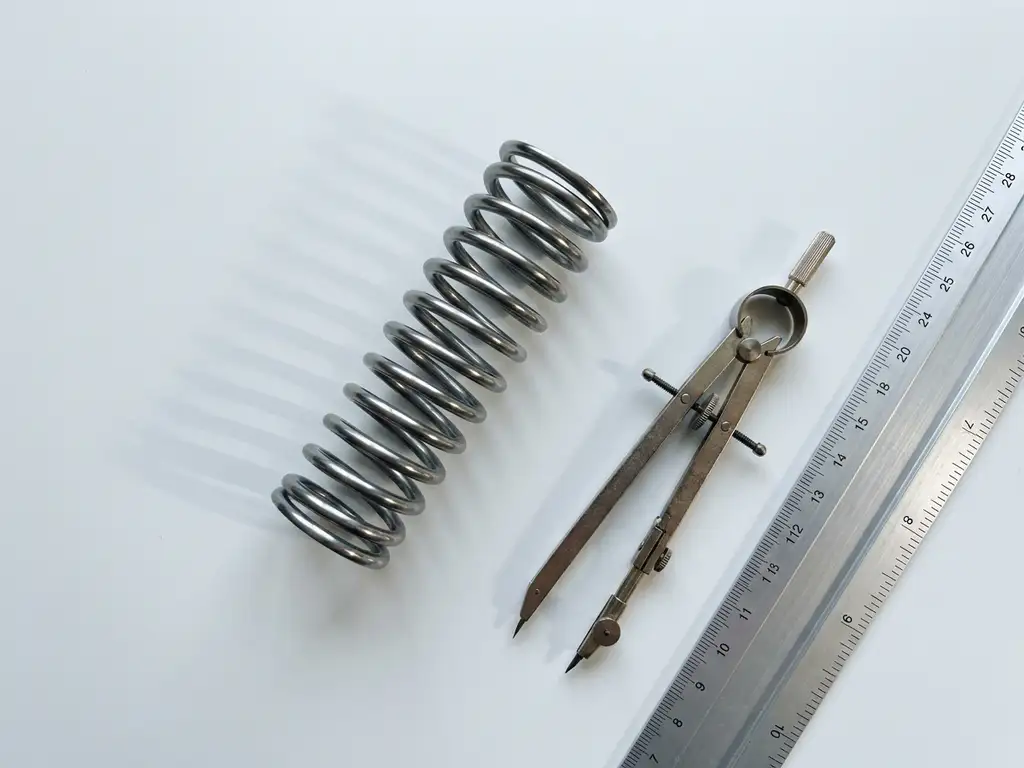
Engineering consultancies and design firms serve different roles in product development, though their functions sometimes overlap. Engineering consultancies focus on technical problem-solving, feasibility analysis, and bringing concepts to functional reality through scientific and engineering principles. Design firms primarily concentrate on user experience, aesthetics, and market appeal, creating compelling visual and interactive solutions that resonate with end users.
Choosing the wrong expertise is costing you project delays and budget overruns
Many companies waste months and thousands of dollars by hiring design firms for engineering problems or engineering consultancies for creative challenges. When you need technical feasibility analysis for a new exoskeleton concept but hire a design firm, you end up with beautiful mockups that cannot be manufactured. Conversely, hiring an engineering consultancy to create user-friendly interfaces often results in functional but unmarketable products. The solution is understanding exactly what type of expertise your project requires before making hiring decisions, then matching your needs to the right specialist.
Scope creep signals a fundamental misunderstanding of professional boundaries
Projects spiral out of control when teams assume one type of firm can handle everything from technical specifications to visual branding. Engineering consultancies excel at solving mechanical problems and ensuring regulatory compliance, while design firms master user research and aesthetic appeal. Trying to force either into the other’s domain creates inefficient workflows and subpar results. The fix is defining clear boundaries for each professional relationship and building collaborative teams where specialists work within their core competencies.
What is an engineering consultancy and how does it differ from design firms?
An engineering consultancy is a specialized firm that provides technical expertise to solve complex engineering problems, conduct feasibility studies, and develop functional prototypes. Unlike design firms that focus on aesthetics and user experience, engineering consultancies apply scientific principles, mathematical modeling, and technical analysis to create solutions that work reliably in real-world conditions.
Engineering consultancies employ engineers, scientists, and technical specialists who understand materials science, structural mechanics, electronics, and manufacturing processes. They validate whether concepts are technically possible, identify potential failure points, and ensure products meet safety standards and regulatory requirements. Their deliverables include technical specifications, engineering drawings, prototypes, and detailed analysis reports.
Design firms, in contrast, specialize in creating appealing and intuitive user experiences. They employ designers, researchers, and creative professionals who understand human psychology, visual communication, and market trends. Design firms excel at making products that people want to use, ensuring interfaces are intuitive, and creating brand experiences that resonate with target audiences.
What services do engineering consultancies provide compared to design firms?
Engineering consultancies provide technical services including feasibility analysis, prototype development, testing and validation, regulatory compliance, and manufacturing support. Design firms offer creative services such as user research, interface design, branding, visual identity, and market positioning strategies.
Specific engineering consultancy services include structural analysis to ensure products can withstand intended loads, materials selection based on performance requirements, electronic system design for smart devices, and manufacturing process optimization. They also conduct failure analysis when products break, perform safety testing to meet industry standards, and provide expert testimony in technical disputes.
Design firms focus on understanding user needs through research and interviews, creating wireframes and mockups that map user journeys, developing visual identities that communicate brand values, and testing interface usability with target audiences. They also provide market research to validate product concepts and competitive analysis to identify positioning opportunities.
When should you hire an engineering consultancy versus a design firm?
Hire an engineering consultancy when you need technical problem-solving, feasibility validation, or functional prototype development. Choose a design firm when you need user experience optimization, visual identity creation, or market appeal enhancement for existing functional products.
Engineering consultancies are essential for projects involving complex technical challenges, such as developing new mechanical systems, ensuring structural integrity, or meeting specific performance requirements. They are particularly valuable when working with regulated industries like medical devices, aerospace, or defense applications where technical compliance is mandatory.
Design firms become crucial when you have a working product but need to make it marketable and user-friendly. They excel at identifying why users abandon products, creating intuitive interfaces for complex systems, and developing brand strategies that differentiate products in competitive markets. Many successful projects require both types of expertise working in sequence or in parallel.
How do engineering consultancies approach projects differently than design firms?
Engineering consultancies approach projects through systematic technical analysis, starting with requirements definition and progressing through feasibility studies, detailed design, and validation testing. Design firms begin with user research and market analysis, then iterate through creative concepts and user testing to optimize experience and appeal.
Engineering consultancies follow structured methodologies that emphasize measurable performance criteria, safety margins, and regulatory compliance. They use mathematical modeling, simulation software, and physical testing to validate designs before committing to production. Their process is inherently risk-averse, focusing on preventing failures and ensuring reliability.
Design firms employ iterative creative processes that emphasize rapid prototyping, user feedback, and continuous refinement. They test concepts early and often with real users, making adjustments based on behavioral observations and preference data. Their approach embraces experimentation and accepts that initial concepts will evolve significantly through the design process.
How InteSpring helps with engineering consultancy projects
We provide comprehensive engineering consultancy services through our proven four-phase approach that takes projects from initial concept to certified product. Our expertise in spring systems, energy balancing, and wearable technology enables us to solve complex mechanical challenges that other firms cannot address.
- Feasibility analysis combining technical and economic viability assessment
- Demonstrator development with functional concept prototypes
- Detailed design studies producing manufacturable specifications
- Production setup including sustainable supply chain development
- Specialized expertise in force compensation and human-machine interaction
Our compact team of mechanical, structural, and mechatronic engineers has successfully developed products for defense, medical, and industrial applications. Whether you need technical validation for a new concept or complete product development support, contact us to discuss how our engineering consultancy services can advance your project.