
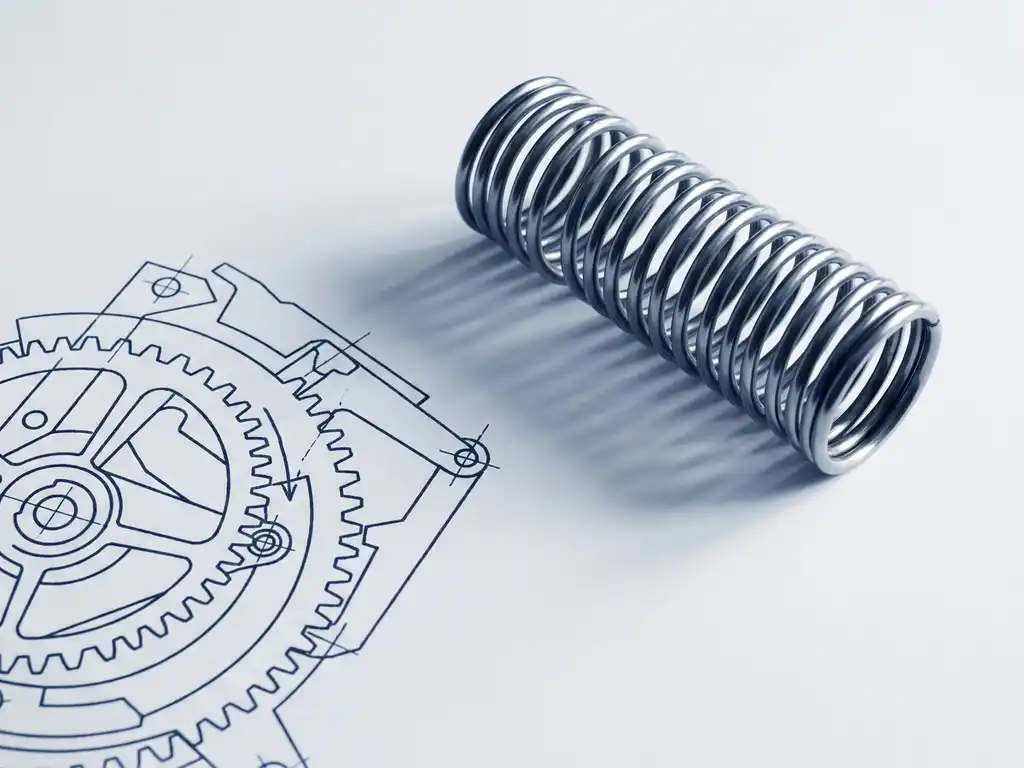
Product design and product development are two distinct but interconnected phases of bringing an idea to market. Product design focuses on conceptualizing, researching, and creating the user experience and visual aspects of a product, while product development encompasses the technical implementation, engineering, and manufacturing processes needed to build and produce that product.
Rushing from concept to development is costing you valuable market insights
Many companies skip thorough design research and jump straight into development, only to discover their product doesn’t solve the right problem or meet user needs. This approach leads to costly redesigns, extended timelines, and products that fail in the market despite being technically sound. Instead, invest time in user research, prototyping, and design validation before committing resources to full development. This front-loaded design work prevents expensive pivots later and ensures your development team builds the right product from the start.
Poor handoffs between design and development teams are derailing project success
When design and development teams work in isolation, the final product often differs significantly from the original vision, resulting in user experience problems and technical debt. Miscommunication leads to features being built incorrectly, design intent being lost, and teams having to rebuild components multiple times. Establish clear documentation standards, regular cross-team reviews, and collaborative workflows where designers and developers work together throughout the process, rather than treating handoffs as one-time events.
What happens during the product design phase?
The product design phase involves user research, concept development, prototyping, and design validation. Teams identify user needs, create wireframes and mockups, test design concepts with target users, and refine the product’s functionality and appearance before development begins.
During this phase, designers conduct market research to understand the competitive landscape and user pain points. They create user personas and journey maps to guide decision-making, then develop initial concepts through sketching, wireframing, and digital prototyping. These early prototypes help teams test assumptions and gather feedback without investing in expensive development work.
The design phase also includes creating detailed specifications for the development team. This involves defining user interface elements, interaction patterns, technical requirements, and design systems that ensure consistency across the product. Teams typically iterate through multiple design versions based on user testing and stakeholder feedback before finalizing the design for development.
How does product development differ from design?
Product development focuses on the technical implementation and manufacturing of the designed product. While design determines what the product should do and how it should look, development handles the engineering, coding, testing, and production processes needed to build a functional product.
Development teams take the design specifications and translate them into working software, hardware, or physical products. This involves writing code, selecting materials, setting up manufacturing processes, and conducting technical testing to ensure the product functions as intended. Development also includes quality assurance, performance optimization, and preparing for mass production or deployment.
The development phase requires different skill sets than design, including programming, engineering, supply chain management, and manufacturing expertise. While designers focus on user experience and visual appeal, developers concentrate on technical feasibility, scalability, and production efficiency. Both phases require close collaboration to ensure the final product meets both user needs and technical requirements.
Which comes first: design or development?
Design typically comes before development in most product creation processes. The design phase establishes the product’s functionality, user experience, and specifications, which then guide the development team’s technical implementation work.
This sequence exists because design decisions fundamentally shape what needs to be built. Without clear design specifications, development teams would lack direction on features, user interfaces, and performance requirements. Design research also validates market demand and user needs before companies invest significant resources in development and manufacturing.
However, modern product teams often use iterative approaches where design and development overlap. Agile methodologies allow teams to design and develop features in parallel, with continuous feedback loops between phases. This approach works well for software products where changes can be implemented quickly, though physical products typically require more sequential planning due to manufacturing constraints.
What skills are needed for product design versus development?
Product design requires user research, visual design, prototyping, and communication skills. Designers need expertise in design software, user psychology, and creative problem-solving. Product development demands technical skills like programming, engineering, project management, and quality assurance.
Design skills include conducting user interviews, creating wireframes and mockups, understanding design principles, and using tools like Figma, Sketch, or Adobe Creative Suite. Designers also need strong analytical skills to interpret user research data and translate insights into design decisions. Communication skills are essential for presenting ideas to stakeholders and collaborating with development teams.
Development skills vary by product type but generally include programming languages, software architecture, database design, and testing methodologies for digital products. Physical product development requires mechanical engineering, materials science, manufacturing knowledge, and supply chain management. Both roles benefit from project management skills and the ability to work collaboratively across multidisciplinary teams.
How InteSpring helps with product design and development
We provide comprehensive engineering consultancy services that bridge the gap between innovative product concepts and market-ready solutions. Our modular four-phase approach ensures seamless progression from initial ideas to certified products, combining deep technical expertise with practical implementation experience.
- Feasibility assessment: We research technical and economic viability to validate your product concept before significant investment
- Demonstrator development: Our team creates functional prototypes that prove core concepts and identify design challenges early
- Detailed design: We develop comprehensive specifications with functional prototypes, ensuring manufacturability and performance requirements
- Production setup: We establish sustainable supply chains and manufacturing processes for serial production
Our expertise in spring systems, mechatronics, and human-interactive engineering allows us to tackle complex design challenges across defense, medical technology, and industrial applications. Contact our engineering team to discuss how we can support your product design and development journey from concept to market.