
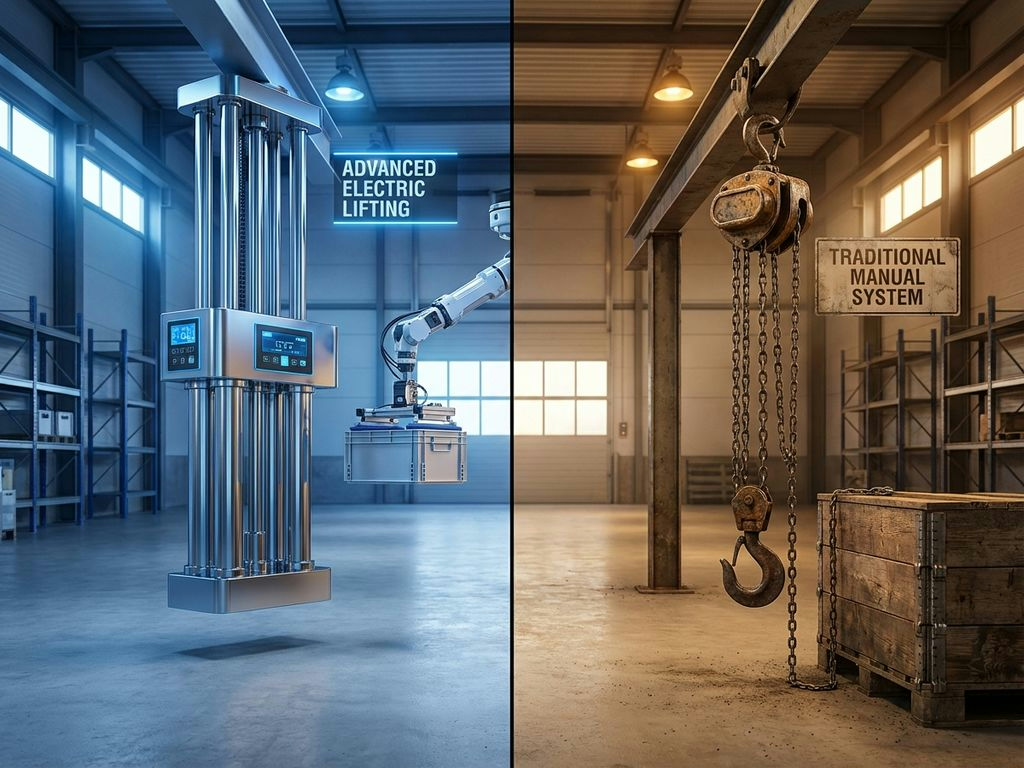
Electric lifting aids use motors, hydraulics, or pneumatics to provide power assistance, while manual systems rely entirely on human force and mechanical advantage. Electric systems offer consistent power output and reduce worker fatigue, whereas manual systems provide immediate response and do not require power sources. The choice between them depends on your specific lifting requirements, workplace conditions, and budget considerations.
What’s the real difference between electric and manual lifting systems?
Electric lifting aids use powered mechanisms such as electric motors, hydraulic pumps, or pneumatic systems to assist with lifting operations. These systems provide consistent force output regardless of worker strength or fatigue levels. Manual systems rely on mechanical advantage through pulleys, levers, or counterweight systems, with human power as the primary energy source.
The operational differences significantly affect daily workplace use. Electric systems maintain consistent lifting speed and force throughout the workday, whereas manual systems may slow down as workers tire. Electric lifting aids typically offer precise control through variable speed controls and positioning systems, making them ideal for delicate operations.
Power requirements create another important distinction. Electric systems need a reliable electrical supply or battery power, which can limit placement flexibility. Manual systems work anywhere without power infrastructure, making them suitable for outdoor work or areas without electrical access.
Response time differs between the two approaches. Manual systems provide an immediate response to operator input, whereas electric systems may have slight delays during startup or direction changes. This affects workflow in time-sensitive operations where quick positioning matters.
How much do electric lifting aids actually cost compared to manual alternatives?
Electric lifting aids typically cost three to five times more upfront than comparable manual systems. A basic electric hoist might cost £2,000–£5,000, whereas a manual chain hoist with similar capacity costs £400–£1,200. However, total cost of ownership includes maintenance, energy consumption, and productivity factors over the equipment’s lifespan.
Ongoing maintenance expenses favour manual systems for basic upkeep. Manual systems require periodic lubrication and wear-part replacement, typically costing £100–£300 annually. Electric systems need motor servicing, electrical component replacement, and more frequent inspections, often running £500–£1,500 per year for maintenance.
Energy consumption adds operational costs to electric systems. A typical electric hoist consumes 2–5 kWh per hour of operation, translating to £0.50–£1.25 per hour in electricity costs. Manual systems have no energy costs but may require more operators for heavy loads, increasing labour expenses.
Long-term value calculations must consider productivity gains and reduced worker compensation claims. Electric systems often justify higher costs through increased throughput and reduced injury-related expenses, though payback periods vary from two to seven years depending on usage intensity.
Which lifting system is safer for workers and reduces injury risk?
Electric lifting aids generally provide superior safety features and injury-prevention capabilities compared to manual systems. Electric systems eliminate the physical strain associated with repetitive lifting motions, reducing musculoskeletal injuries that account for roughly 30% of workplace incidents. Built-in safety features such as overload protection and controlled descent help prevent common manual lifting accidents.
Manual systems require proper technique and physical capability from operators, creating more opportunities for human error. Workers may attempt lifts beyond safe capacity when tired or rushed, leading to back injuries, muscle strains, or dropped loads. However, manual systems do not present the electrical hazards or mechanical failure risks associated with powered equipment.
Ergonomic benefits strongly favour electric systems for repetitive operations. Workers maintain better posture and experience less fatigue when operating electric lifting aids, reducing cumulative trauma disorders. Manual systems can provide good ergonomics when properly designed but require more operator training and physical conditioning.
Safety features such as emergency stops, load limiters, and automatic braking make electric systems inherently safer for heavy lifting operations. Manual systems rely more heavily on operator skill and attention to maintain safe working conditions throughout the day.
What are the productivity differences between electric and manual lifting?
Electric lifting aids typically increase productivity by 25–40% compared to manual systems in repetitive lifting applications. Electric systems maintain consistent speed regardless of load weight or operator fatigue, whereas manual systems slow down as workers tire throughout their shifts. This speed consistency becomes more important in high-volume operations.
Worker fatigue significantly impacts manual system productivity over time. Operators may start strong but gradually slow down, take more breaks, or require rotation to maintain safe lifting practices. Electric systems allow workers to focus on positioning and coordination rather than providing lifting force, maintaining performance levels throughout shifts.
Cycle times favour electric systems for most applications. A typical electric hoist completes lift cycles 30–50% faster than manual alternatives, especially for heavy loads or high lifting heights. Manual systems may match electric speed for light loads over short distances but fall behind as weight or height increases.
Overall efficiency gains from electric systems include reduced setup time, fewer operators required per lift, and improved workflow consistency. However, manual systems offer advantages in applications requiring frequent repositioning or where power availability limits electric system placement.
When should you choose electric lifting aids over manual systems?
Choose electric lifting aids when you have high-frequency lifting operations, heavy loads regularly exceeding 50 kg, or a need to reduce physical strain on workers. Electric systems work best in permanent installations with a reliable power supply and where consistent productivity matters more than initial cost. Manual systems suit occasional use, outdoor applications, or situations requiring maximum portability and immediate response.
Workplace conditions play a crucial role in system selection. Facilities with reliable electrical infrastructure and climate-controlled environments favour electric systems. Outdoor construction sites, temporary installations, or areas with limited power access often require manual solutions for practical operation.
Lifting frequency and duration determine which approach provides better value. Operations requiring more than 50 lift cycles per day typically benefit from electric systems due to reduced operator fatigue and consistent performance. Occasional lifting tasks or emergency applications may not justify the complexity and cost of electric systems.
Weight requirements and lifting heights also influence selection. Loads exceeding 100 kg or lifts above 3 metres generally favour electric systems for safety and efficiency. Manual systems work well for lighter loads under 50 kg and shorter lifting distances where operator control and immediate response matter most.
Consider balancing solutions that combine the benefits of both approaches, such as spring-assisted manual systems that reduce operator effort while maintaining direct control and portability advantages.
How InteSpring’s spring-based solutions enhance lifting performance
InteSpring has developed innovative gravity-balancing technology that bridges the gap between electric and manual lifting systems. Our spring-based balancing solutions provide consistent force assistance without requiring electrical power, combining the ergonomic benefits of electric systems with the responsiveness and portability of manual approaches.
Our technology offers several unique advantages for workplace lifting tasks:
- Constant force assistance – Springs provide consistent support throughout the lifting range, reducing operator effort by 60–80%.
- Immediate response – No electrical delays or startup time, maintaining the direct control benefits of manual systems.
- Energy independence – Works anywhere without a power supply, suitable for outdoor and remote applications.
- Reduced fatigue – Operators maintain productivity throughout shifts with significantly less physical strain.
- Lower maintenance – Mechanical spring systems require minimal upkeep compared to electric alternatives.
Our innovative balancing systems help you achieve the productivity and safety benefits of electric lifting aids while maintaining the flexibility and reliability of manual systems. Contact us to discuss how our innovative balancing solutions can improve your workplace lifting operations.