
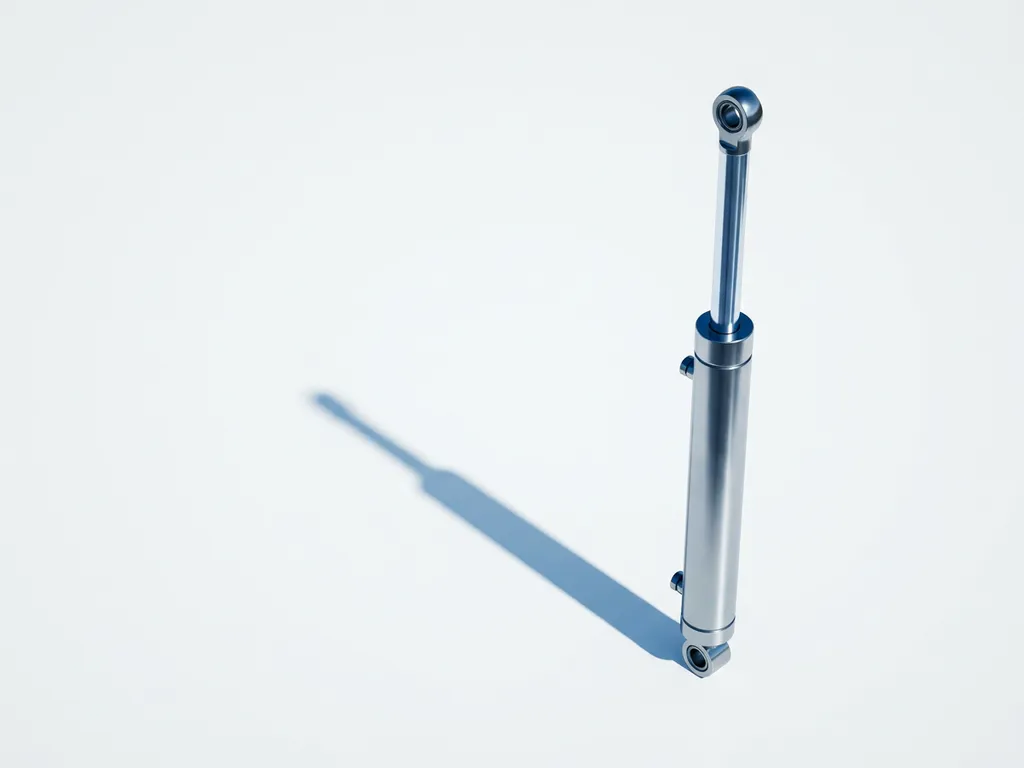
Hydraulic systems are mechanical power transmission systems that use pressurized fluid to generate, control, and transmit power. These systems convert mechanical energy into hydraulic energy through pumps, then back into mechanical energy through actuators like cylinders and motors. Hydraulic systems operate on Pascal’s principle, where pressure applied to a confined fluid transmits equally in all directions, enabling powerful force multiplication and precise control across various industrial and mobile applications.
Inefficient hydraulic system selection is costing you operational reliability
Choosing the wrong hydraulic system type leads to frequent breakdowns, excessive maintenance costs, and unexpected downtime that can halt entire production lines. Many operations suffer from systems that cannot handle their specific pressure requirements, environmental conditions, or duty cycles, resulting in component failures that cost thousands in repairs and lost productivity. The solution lies in matching your hydraulic system type to your exact application requirements, considering factors like the operating environment, load characteristics, and maintenance accessibility before making your selection.
Poor hydraulic component integration creates dangerous pressure failures
Mismatched hydraulic components create pressure inconsistencies that can cause catastrophic system failures, putting equipment and personnel at risk. When pumps, valves, and actuators are not properly sized or compatible, the system develops pressure spikes, cavitation, and overheating that destroy seals and damage expensive components. Address this by ensuring all hydraulic components are designed to work together within the same pressure range and flow specifications, with proper filtration and cooling systems to maintain optimal operating conditions.
What is a hydraulic system and how does it work?
A hydraulic system is a power transmission technology that uses pressurized hydraulic fluid to operate machinery and equipment. It works by converting mechanical energy into fluid pressure through a pump, transmitting this pressurized fluid through hoses and valves, then converting it back to mechanical energy via actuators.
The fundamental principle behind hydraulic systems is Pascal’s Law, which states that pressure applied to a confined fluid transmits equally in all directions. This allows hydraulic systems to multiply force significantly while providing precise control over movement and positioning.
The basic operation cycle involves a pump drawing hydraulic fluid from a reservoir and pressurizing it. This pressurized fluid flows through a network of valves and lines to hydraulic actuators such as cylinders or motors. The actuators convert the hydraulic pressure back into mechanical force or rotational motion to perform work. After completing its work cycle, the fluid returns to the reservoir to begin the process again.
What are the main types of hydraulic systems?
The main types of hydraulic systems include open-loop systems, closed-loop systems, mobile hydraulic systems, industrial hydraulic systems, servo hydraulic systems, and proportional hydraulic systems. Each type is designed for specific applications based on precision requirements, the operating environment, and performance needs.
Open-loop systems are the most common type, where hydraulic fluid flows from the pump to actuators and returns to the reservoir through return lines. These systems are cost-effective and suitable for applications requiring basic on-off control of hydraulic functions.
Closed-loop systems feature direct fluid circulation between the pump and motor without returning to a reservoir between cycles. This design provides better speed control and efficiency, making it ideal for applications requiring variable speed control like hydrostatic transmissions.
Mobile hydraulic systems are compact, self-contained units designed for vehicles and portable equipment. Industrial hydraulic systems are larger, stationary installations optimized for manufacturing and processing applications where high power and continuous operation are required.
What’s the difference between open-loop and closed-loop hydraulic systems?
Open-loop hydraulic systems return fluid to a reservoir after each work cycle, while closed-loop systems circulate fluid directly between the pump and motor without intermediate reservoir storage. The key difference lies in the fluid flow path and control precision capabilities.
In open-loop systems, the pump draws fluid from a reservoir, sends it to actuators, and the fluid returns to the reservoir via return lines. This design allows for simple directional control using valves and accommodates multiple actuators operating from a single pump. Open-loop systems are more tolerant of fluid contamination and easier to maintain since the reservoir provides settling time for contaminants.
Closed-loop systems connect the pump output directly to the motor input, with the motor return line feeding back to the pump inlet. This creates a continuous circulation loop that enables precise speed and torque control. Closed-loop systems offer better efficiency since they eliminate throttling losses common in open-loop systems, but they require more sophisticated controls and are more sensitive to fluid cleanliness.
How do mobile hydraulic systems differ from industrial hydraulic systems?
Mobile hydraulic systems are compact, lightweight designs optimized for vehicles and portable equipment, while industrial hydraulic systems are larger, stationary installations designed for high-power manufacturing applications. The main differences involve size constraints, power sources, and operating environment considerations.
Mobile hydraulic systems must operate within strict weight and space limitations while withstanding vibration, temperature extremes, and varying operating angles. They typically use engine-driven pumps and feature integrated reservoir designs with specialized filtration to handle contamination from harsh operating environments. Mobile systems prioritize portability and often include multiple independent circuits to operate different functions simultaneously.
Industrial hydraulic systems can accommodate larger components and reservoirs since space and weight are less critical. They typically operate in controlled environments with consistent power sources and benefit from centralized hydraulic power units serving multiple machines. Industrial systems focus on high power output, continuous duty cycles, and precise control for manufacturing processes, often incorporating sophisticated monitoring and control systems for optimal performance.
What are the key components in every hydraulic system?
Every hydraulic system contains five essential components: a hydraulic pump to pressurize fluid, a reservoir to store fluid, actuators to convert hydraulic pressure into mechanical work, valves to control flow and pressure, and connecting lines to transport fluid throughout the system.
The hydraulic pump serves as the heart of the system, converting mechanical energy from an electric motor or engine into hydraulic pressure. Common pump types include gear pumps, vane pumps, and piston pumps, each offering different pressure capabilities and flow characteristics.
The reservoir stores hydraulic fluid and provides space for thermal expansion, air separation, and contaminant settling. It typically includes a breather cap, sight gauge, and return filter to maintain fluid quality.
Actuators include hydraulic cylinders for linear motion and hydraulic motors for rotational motion. These components convert hydraulic pressure back into useful mechanical work to operate machinery and equipment. Valves control system operation through directional control, pressure regulation, and flow control functions, ensuring safe and precise system operation.
Which hydraulic system type is best for different applications?
The best hydraulic system type depends on your specific application requirements including precision needs, the operating environment, power requirements, and maintenance considerations. Industrial manufacturing typically benefits from open-loop systems, while precision control applications require closed-loop or servo systems.
For basic industrial applications like presses, lifts, and material handling equipment, open-loop systems provide reliable operation at lower costs. These systems work well when simple on-off control is sufficient and multiple actuators need to operate from a single power unit.
Precision applications such as injection molding, machine tools, and testing equipment require servo hydraulic systems that offer exact position and force control. Mobile applications like construction equipment, agricultural machinery, and vehicles benefit from compact mobile hydraulic systems designed to withstand harsh operating conditions while providing multiple independent functions.
High-efficiency applications such as wind turbines, hydrostatic transmissions, and variable speed drives perform best with closed-loop systems that minimize energy losses and provide smooth speed control across wide operating ranges.
How InteSpring helps with hydraulic system optimization
We at InteSpring specialize in developing innovative mechanical solutions that complement hydraulic systems, particularly in wearable technology and human-machine interfaces. Our expertise in spring-balanced systems and microhydraulics provides unique advantages for applications requiring precise force control and energy efficiency.
Our approach to hydraulic system optimization includes:
- Custom microhydraulic solutions tailored specifically for wearable and exoskeleton applications
- Integration of spring-balanced mechanisms to reduce hydraulic power requirements and improve system efficiency
- Four-phase consultancy process covering feasibility analysis, demonstrator development, detailed design, and production setup
- Specialized knowledge in human-interactive systems where hydraulic power must be safely and precisely controlled
Whether you’re developing advanced exoskeletons, medical devices, or industrial automation systems that require precise force control, our engineering team can help optimize your hydraulic system design for maximum performance and safety. Contact us to discuss how our specialized hydraulic and spring-balancing expertise can enhance your next project.